Get it growing
Over the years, people have imported numerous foreign plants into the United States, and some have become staples of our gardens. Can you picture a Louisiana landscape without crape myrtles, camellias and azaleas — all of which are native to Asia — or tropical selections like gingers and elephant ears?
Not all introductions of non-native species have worked out so well, however.
Consider the paper mulberry, which some sources indicate arrived in the United States as early as the 1700s. In its native range in Southeast and East Asia, paper mulberry fiber traditionally was used to make — you guessed it — paper as well as bark cloth. Its leaves were sometimes fed to silkworms.
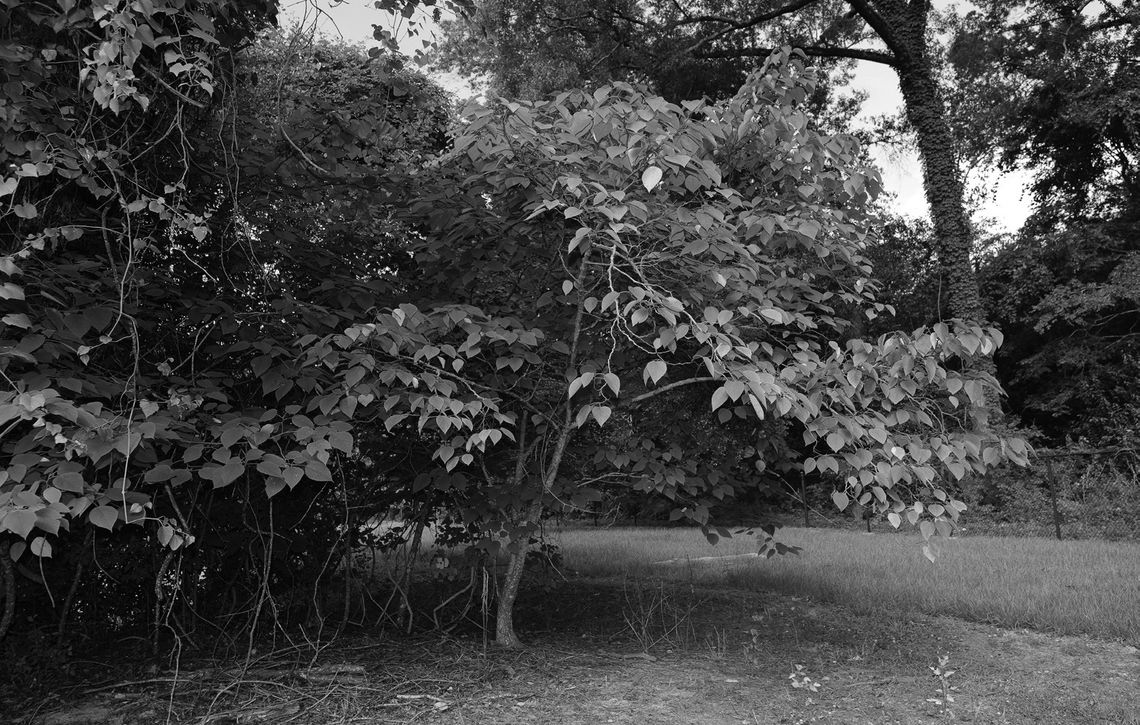
As a member of the plant family Moraceae, paper mulberry (Broussonetia papyrifera) is related to the common fig (Ficus carica) and our native red mulberry (Morus rubra). Early American landscapers saw great ornamental potential in this small, deciduous tree, which displays multiple leaf shapes on a single specimen. It is tough and vigorous, thriving even in poor soils.
Paper mulberry spreads readily by both seeds and underground roots. Combine that with its ability to grow just about anywhere, and paper mulberry has all the makings of an invasive species: a non-native plant that spreads rapidly and harms the local environment by outcompeting and displacing native plants and habitats.
Once you learn how to identify paper mulberry, you’ll start seeing it everywhere in Louisiana. (It can be found in many other states, too.) This tree prefers full sun and often pops up on roadsides and in abandoned lots — but it’s also not uncommon to see it in yards, parks and other maintained spaces.
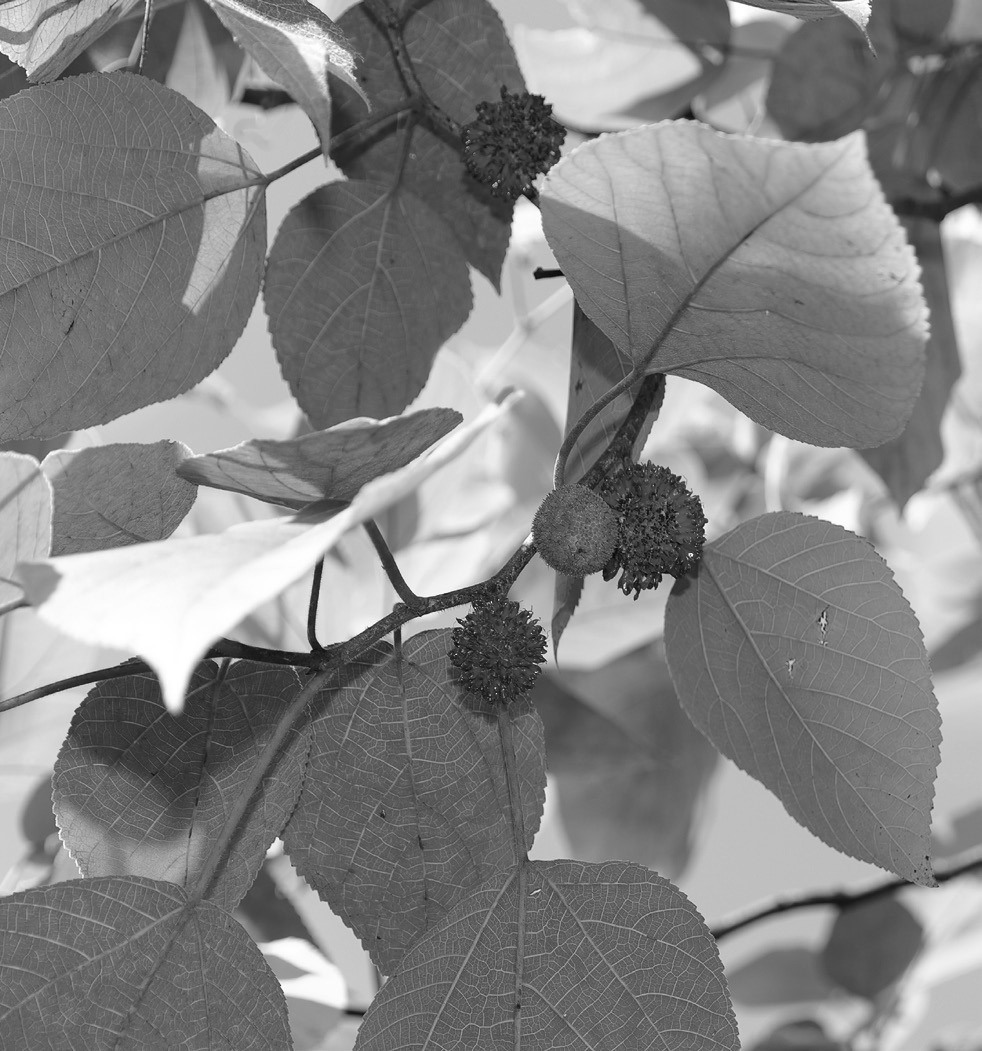
Young paper mulberries grow like weeds (pun intended) and typically peak between 10 and 30 feet tall, depending on lighting and other growing conditions. The tree has smooth, tan bark and produces both teardrop-shaped and lobed, mitten-like foliage. The leaves, which are large and fuzzy, release a milky sap when damaged.
In late summer, female paper mulberry trees flower and set round, orange fruit that has a spiky appearance. Birds and other wildlife are attracted to the brightly colored fruit and play a role in dispersing its seeds, which germinate easily.
Because of paper mulberry’s interesting aesthetics, some people mistake it for an intentionally planted, desirable landscape species and decide to leave it alone, allowing seedlings to flourish. But this invasive tree can colonize an area and get out of hand in a hurry. So, if you spot paper mulberry seedlings, pull them up!
If you need to remove larger trees, a herbicide containing triclopyr is your best bet. Cut the tree down or, if that is impractical, use an ax to make several hacks in the trunk. Apply the herbicide to the wounds as directed on the product label.
This method also works for root sucker sprouts that can’t be pulled by hand.
Controlling established paper mulberry trees or thick infestations will require persistence and repeated applications of herbicide — but getting rid of this aggressive invader is worth it.