Get it growing
Tropical plants feel right at home in the hot, humid conditions we encounter during Louisiana summers. Native to regions near the equator, these plants combine the ability to endure our climate with bold foliage and colorful blooms.
In Louisiana, some of our most reliable tropical plants are gingers — and gardeners have many varieties to choose from. One group that does especially well here is the Costaceae family, whose members are more commonly known as spiral, or corkscrew, gingers.
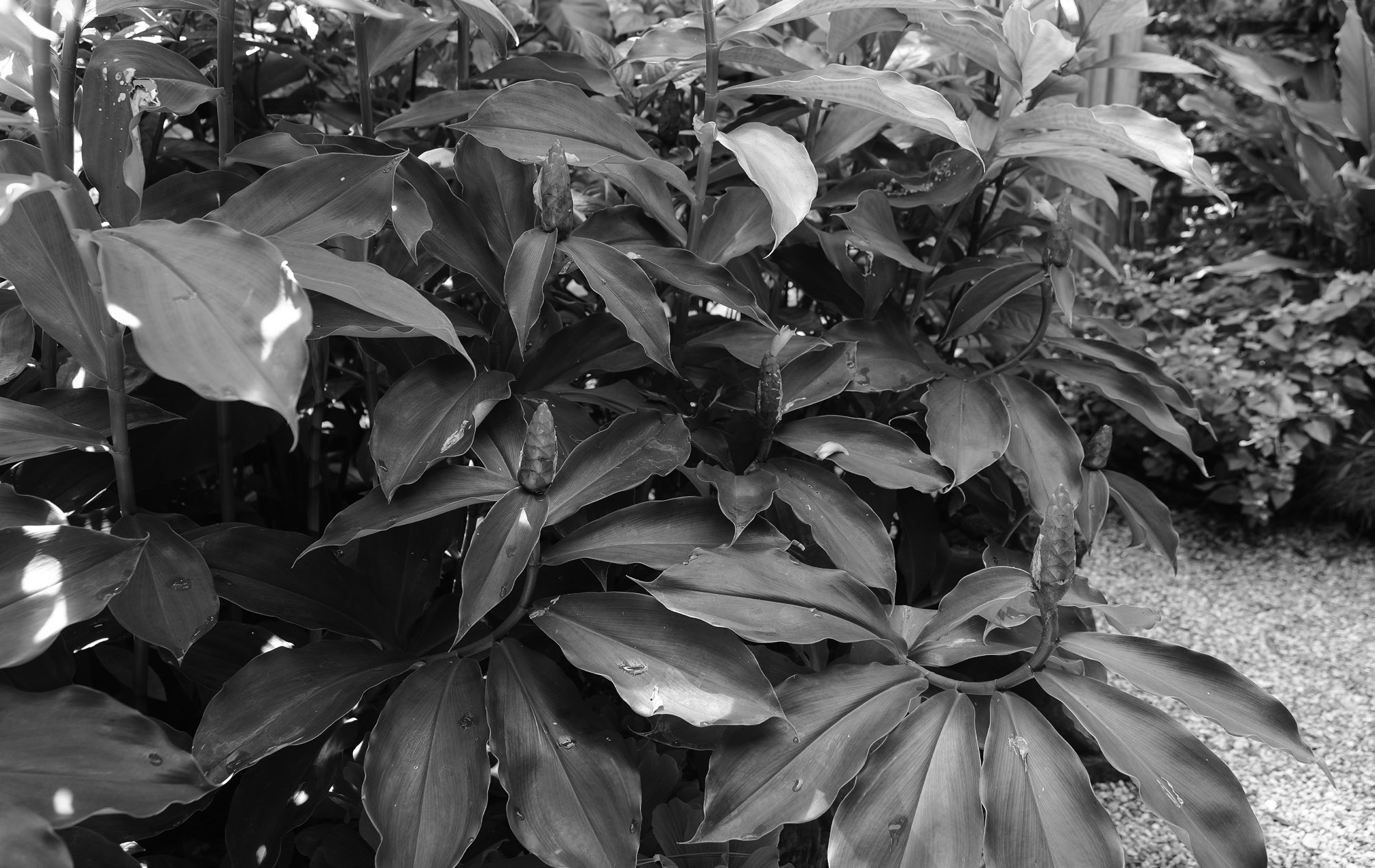
These plants get their name from the way their glossy, green leaves grow: in a stepped pattern that swirls around stems, resembling a spiral staircase. The foliage tends to burn in full sun, so spiral gingers prefer being planted in partially to fully shaded locations.
That’s a real advantage. It can be a challenge to find plants that perform in low-light settings, and spiral gingers’ unique, lush texture does wonders to bring life to these areas.
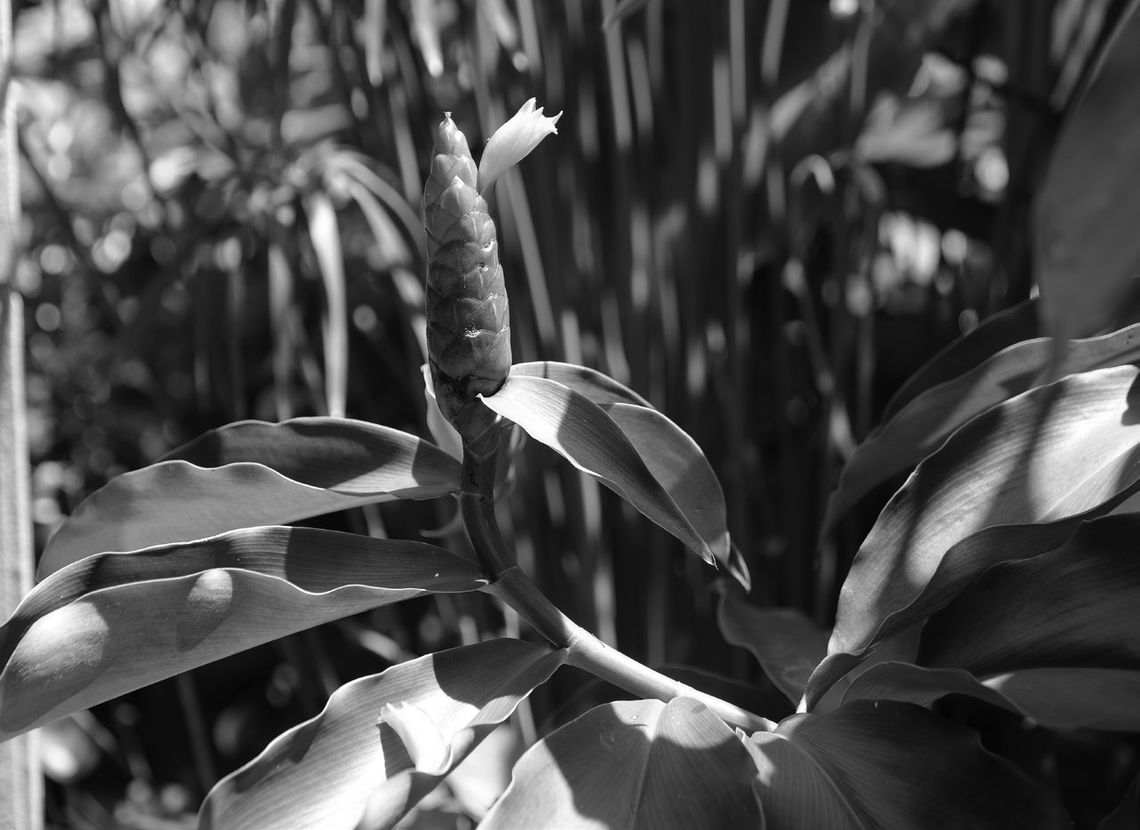
Color is another thing that can be hard to come by in the shade. Spiral gingers do their part with flowers of various colors that emerge from the sides of large, cone-shaped structures.
Plants usually produce one to two new flowers per day over an extended bloom season. The tubular form and bright colors of the flowers make spiral gingers particularly attractive to hummingbirds and other pollinators.
One of the most popular spiral gingers is Costus spicatus, which has red-orange cones and flowers. It reaches 3 to 5 feet tall.
Another beloved selection from the Costaceae family is Hellenia speciosa. This ginger gets taller, often growing to 6 feet tall, and makes a visual statement with its deep red cones and showy, white flowers. It’s sometimes called crepe ginger because the flowers have a wrinkled texture reminiscent of crepe paper or fabric.
Costus spicatus and Hellenia speciosa are both root hardy to zone 8b, so they can be grown successfully throughout Louisiana. Their foliage will die back during a freeze, but the roots will stay alive and send out new growth when warmer temperatures return.
Keep in mind that these are ornamental gingers, not the culinary type — so their roots are not edible.