Get it growing
At the LSU AgCenter Botanic Gardens at Burden in Baton Rouge, senior landscape manager Jason Stagg and his colleagues have been busy lately with an expansive, exciting project: planning, and planting, the landscape for the soon-tobe- opened welcome center.
The facility will serve as a central information hub for visitors to the entire Burden Museum & Gardens complex, which also includes LSU’s Rural Life Museum and Windrush Gardens. It will be available for event rentals, too.
All of that is to say the landscape surrounding this building will have plenty of eyes on it, creating a first impression for guests — so, of course, it needs to look attractive and inviting. But Stagg and the Burden team are taking it a step further, using the project as an opportunity to spotlight interesting, functional plants.
“This landscape is a teaching landscape,” Stagg said. “We’re using 100% native plant material for the entire landscape. Because a lot of this site is actually in a bottomland hardwood area, we’ve chosen wetland plants and used them in rain garden and bioswale installations to manage water.”
Many plants that are native to Louisiana For centuries, folktales told in cultures around the world have included a fearsome creature: the fire-breathing dragon.
While dragons are pure fantasy, flaminghot Louisiana summers are an all-toofamiliar reality for us gardeners. They’re no match, however, for Dragon’s Breath celosia — one of the newest selections for the Louisiana Super Plant program. It thrives in our heat and humidity while adding a splash of fiery red to the landscape.
Dragon’s Breath celosia (Celosia argentea or Celosia plumosa) features striking, scarlet-to-hot pink, plumelike blooms that resemble flames. These eye-catching blooms are influenced by day length and appear in two cycles: from spring to early summer and again as summer gives way to fall until first frost.
In the peak of summer when days are longer, the plant switches to a vegetative growth stage. But this phase in between bloom cycles is no less visually interesting, offering a chance to appreciate the plant’s olive green leaves with red variegations that deepen as summer heats up.
A member of the amaranth family (Amaranthaceae), celosia is a warm-season annual native to Africa. The Dragon’s Breath cultivar was developed from seed by Sakata Ornamentals.
Dragon’s Breath is a low-maintenance plant with few pest concerns. Heat, rain and humidity are no problem for this plant, which has thick, sturdy stems that keep the plant upright during summer downpours.
It is drought tolerant once established, which takes two to four weeks. It can perform well in a range of soil conditions as long as drainage is good; root rot can occur in soggy areas. Planting in full sun is a must to ensure production of the trademark fiery blooms.
Dragon’s Breath typically reaches 20 to 24 inches tall and 12 to 18 inches wide. It’s a bit too tall for the edges of landscape beds, working better as a second layer behind smaller border specimens. Plants should be spaced 18 inches apart to provide adequate airflow.
You can spice up fresh and dried cut flower arrangements with Dragon’s Breath blooms. The plant also makes a perfect “thriller” in mixed container plantings.
Dragon’s Breath doesn’t need a lot of fertilizer. Apply onethird to one-half the rate specified on the label of a balanced, general-purpose fertilizer when planting, and you’ll be good to go for the growing season.
Spent blooms can be deadheaded throughout the growing season to maintain a neat appearance and encourage more flowering.
The Louisiana Super Plant program promotes beautiful, tough plants that are university tested and industry approved. For more information about Dragon’s Breath and other plants that have earned the Louisiana Super Plant status, visit www.LSUAgCenter. com/SuperPlants.
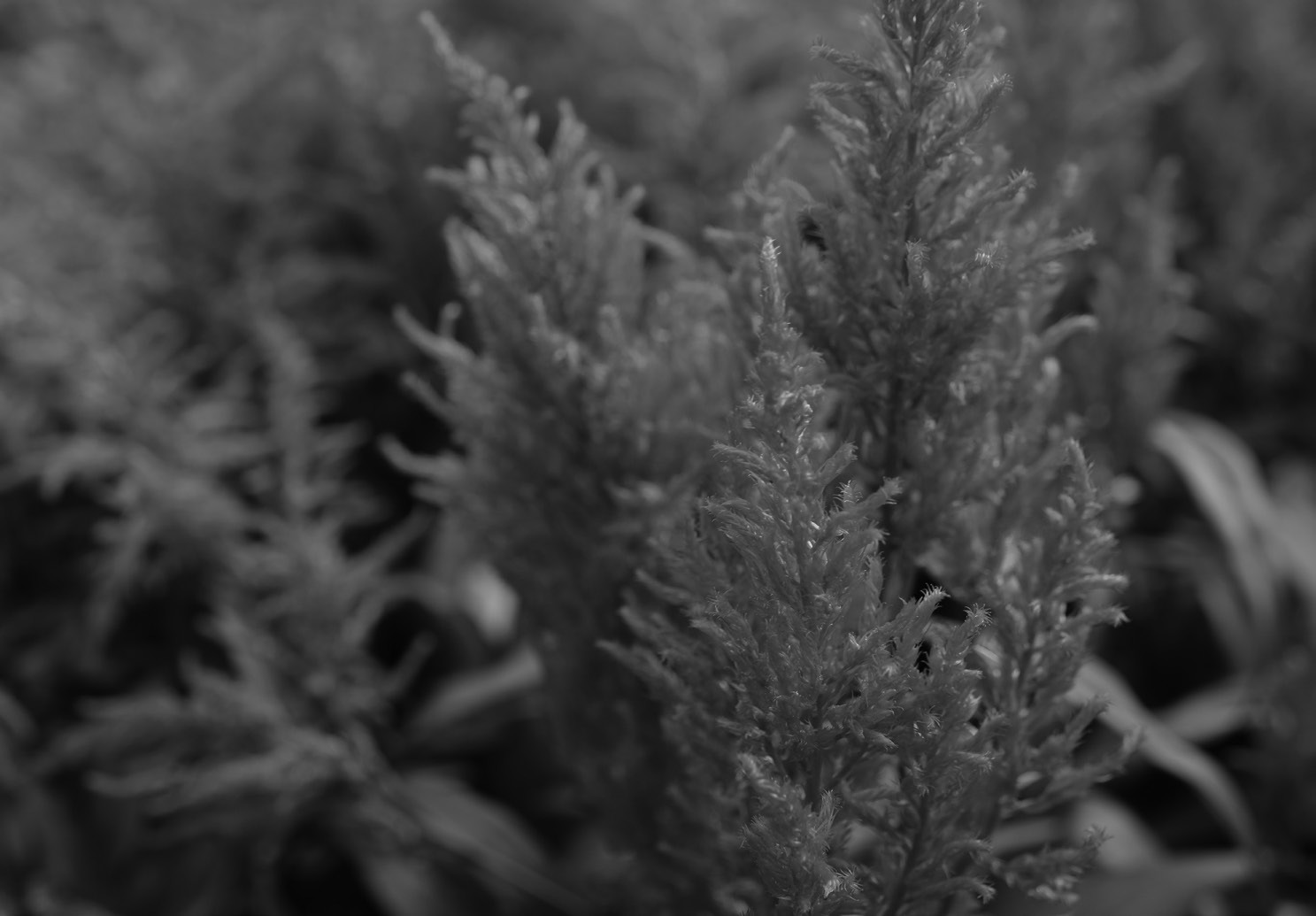
Deadheading Dragon’s Breath celosia can promote additional flowering. (Olivia McClure/LSU AgCenter)