Get It Growing
Growing citrus in Louisiana has been a real struggle the past couple of years.
Our recent winters have brought intense, though short-lived, arctic blasts that have damaged and even killed citrus trees. All it takes is a night or two of temperatures in the teens to wipe out an unprotected citrus crop, especially in the case of cultivars that are more sensitive to the cold, young trees and those in containers.
With spring — and warmer weather — upon us, you may be noticing new growth sprouting from a citrus tree that sustained damage this winter. It’s important to figure out whether these shoots are coming from the citrus cultivar you want to grow or the rootstock.
A quick lesson on grafting is in order. The vast majority of modern citrus trees are grafted, which means a section of wood from a desirable cultivar, called a scion, is cut and joined with a separate species known as rootstock.
This creates a new tree — one that produces fruit on the scion wood on top and that has a hardy, more vigorous root system.
Rootstock allows citrus cultivars like lemons, oranges, satsumas and kumquats to better thrive in our climate and handle other stresses such as diseases. While most kinds of citrus are still quite vulnerable in cold temperatures, they’d be even less hardy if grown on their own roots. Rootstock also can help maximize the quality and quantity of fruit.
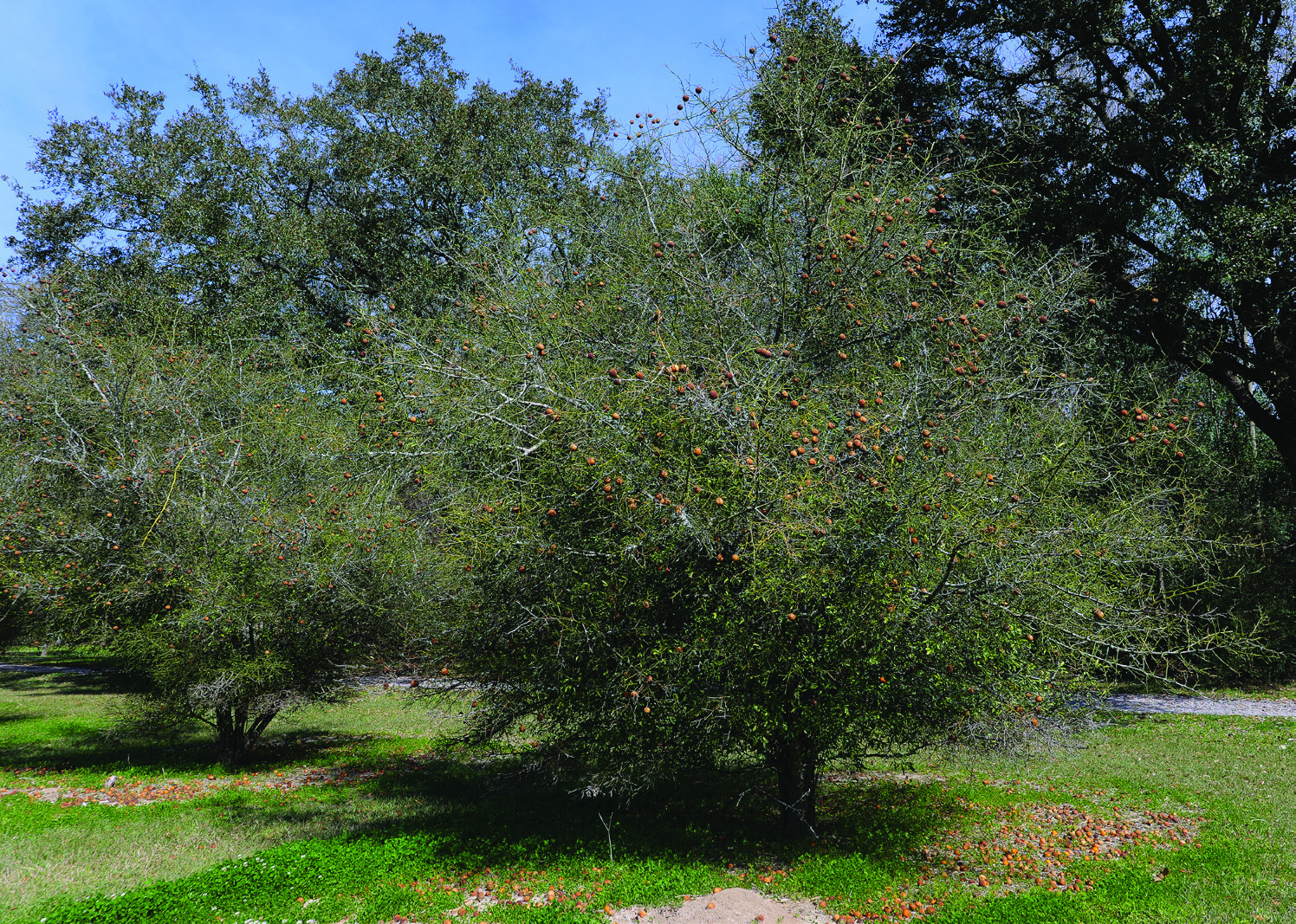
Trifoliate orange (Citrus trifoliata) is one of the most common rootstock species used in the citrus trade. Flying Dragon (Poncirus trifoliata ‘Flying Dragon’) is popular for dwarf citrus trees.
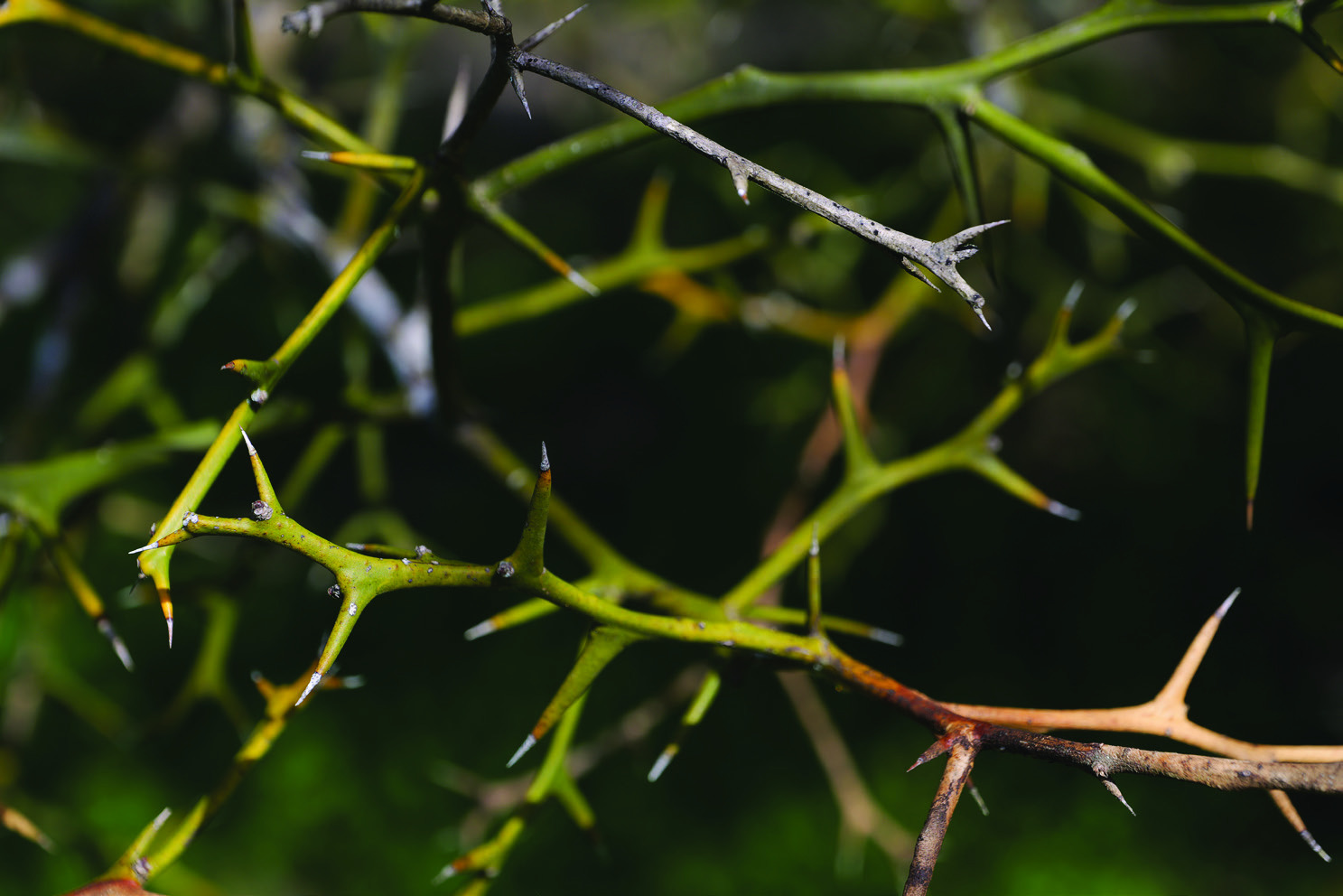
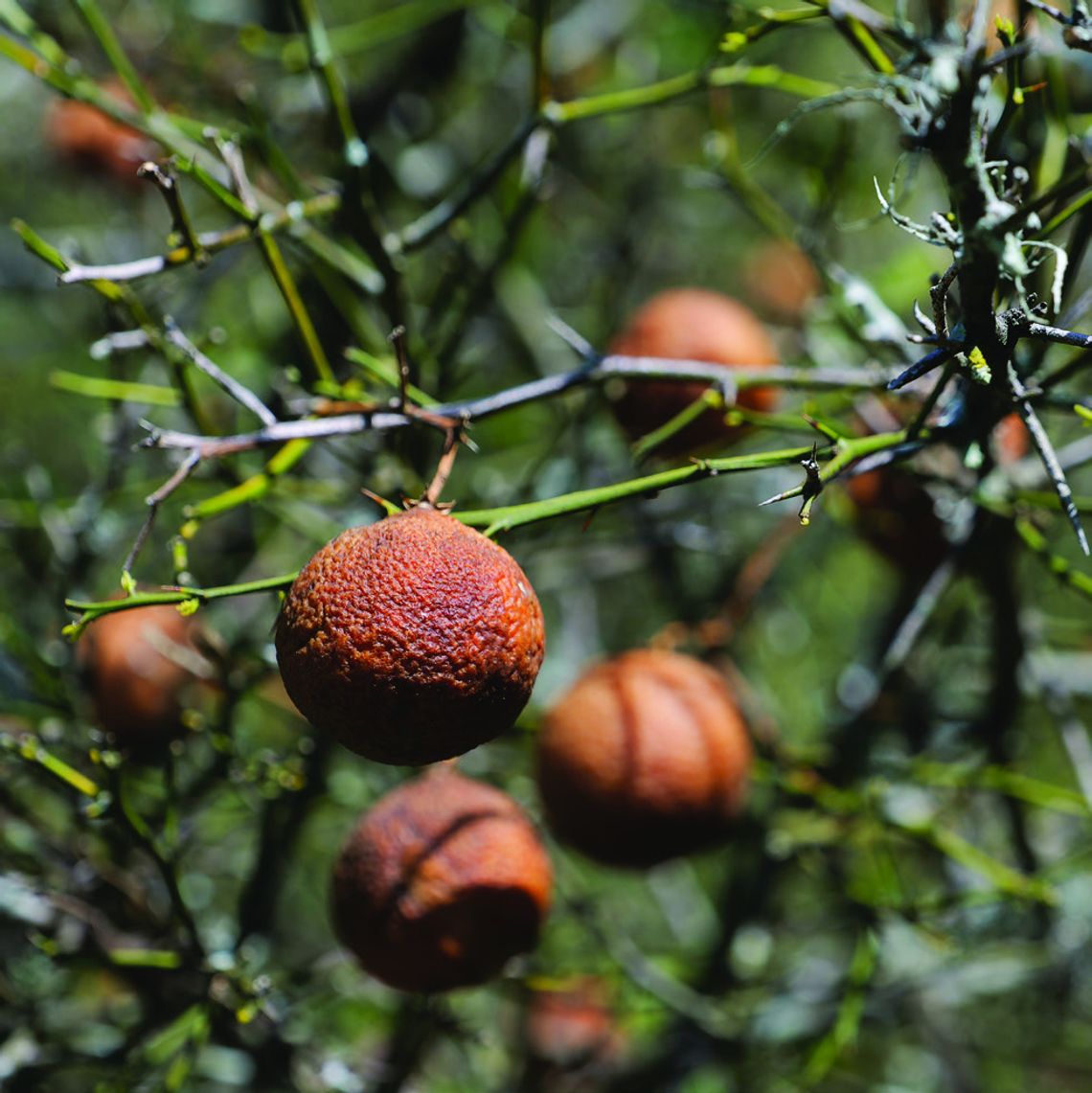
These tough species can survive subzero temperatures and work great as rootstock. But when allowed to grow as full-sized trees, rootstock species don’t produce tasty fruit. In fact, their fruit tends to be extremely sour, even bitter, and full of seeds. And, unlike other types of citrus, their branches are covered with unsightly thorns.
So, take a close look at your citrus tree. Do you see thorns on the new growth emerging from the base? If so, that’s the rootstock, and it’s possible that the desirable citrus cultivar died during our freezes this winter.
Apart from folks who are interested in grafting, there’s little point to keeping a trifoliate orange or other rootstock tree around for the average home citrus grower. If you’re sure that you only have rootstock left, it’s best to cut down the tree and replace it with a new one.
If your preferred citrus cultivar still seems to be living but you see a few thorny rootstock shoots at the base of the tree, now’s a good time to trim those back to keep them from taking over the tree. They can grow quickly!