Get it growing
Editor’s note: This is the final installment of a three-part “What’s on my tree?” series about organisms that are commonly found growing on trees in Louisiana.
Not many plants can lose up to 97% of their moisture content and then spring back to life within hours of rainfall. But for resurrection fern, this remarkable feat is just part of its survival strategy.
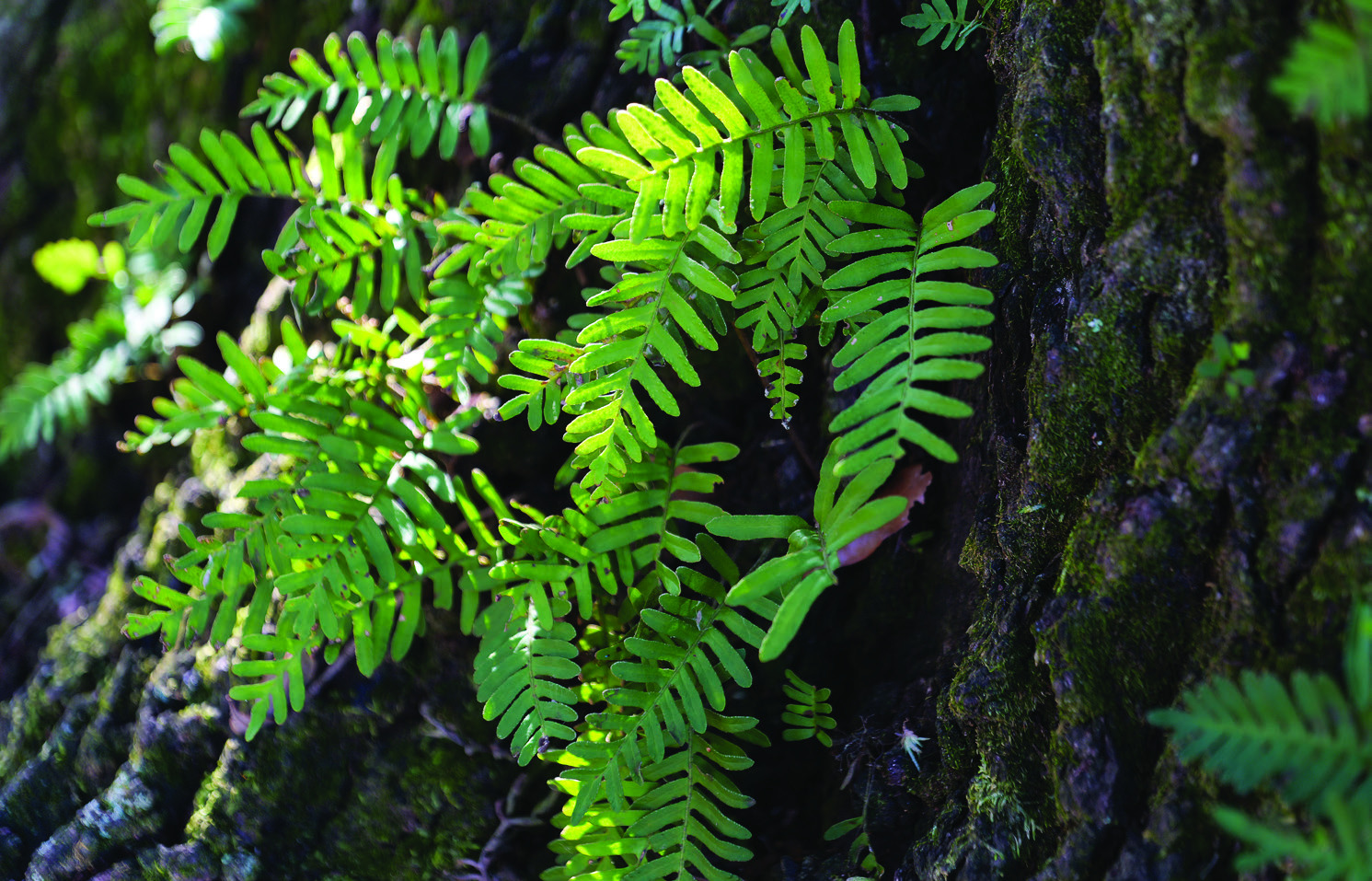
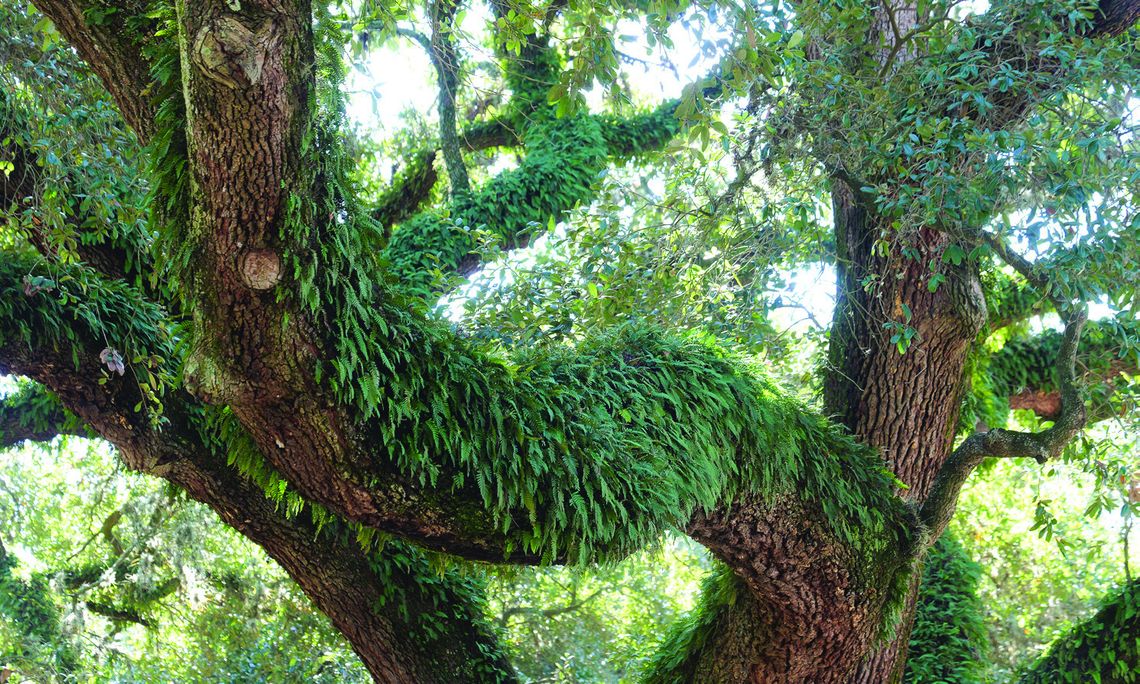
Resurrection fern (Pleopeltis polypodioides) is a common sight on the branches of live oak and other trees in Louisiana. It spends much of its life in a dried, brown state, blending in with the bark of the trees it clings to. But as soon as it rains, the fronds rehydrate, unfurl and turn a lush green — hence the name resurrection fern. This plant is a harmless epiphyte, or air plant. That means its water and nutrient needs are met through the air and rain. It doesn’t hurt trees, simply using them as a place to grow.
Resurrection fern can be found throughout the southeastern United States, as it likes warmer climates with regular rainfall. Like other ferns, it spreads by spores and rhizomes, not seed. It prefers oak species but also can make itself at home on cypress, magnolia, pecan and other trees as well as structures in the landscape.
This plant has been studied as a model for drought tolerance and even has been taken into space for scientific experiments. While most plants can tolerate losing only about 10% of their water before dying, resurrection fern is capable of surviving while nearly completely desiccated — some times for years! Resurrection fern usually sheds about 75% of its water during dry spells, and in extreme drought situations, it can lose up to 97% of moisture and still live.
How is this miracle possible?
When dry weather hits, resurrection fern shrivels up to reduce its surface area and goes dormant. Special proteins called dehydrins protect its cells from damage, so cell walls can shrink and stretch without breaking. This allows the plant to lose nearly all its water without dying.
So, the next time you’re outdoors after it rains, look up into the trees. You just might spot resurrection fern — an interesting plant, and one that reminds us that renewal is always possible, even when life is challenging.