Go to main contentsGo to search barGo to main menu
Wednesday, January 28, 2026 at 9:13 AM

Don’t rush to cut back, discard your freeze-damaged plants

Don’t rush to cut back, discard your freeze-damaged plants
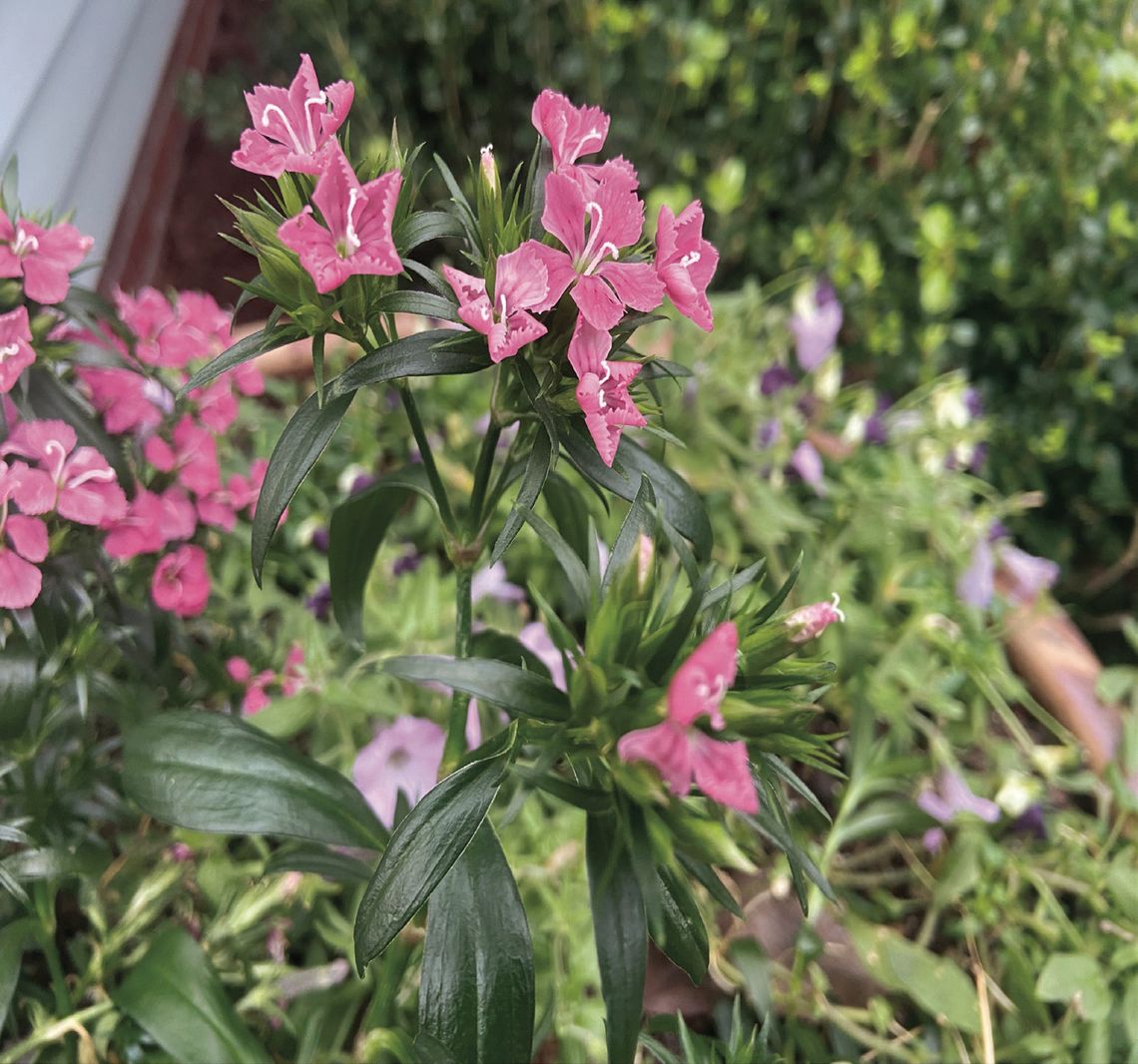
Wait at least one week before pulling up and discarding any cool-season bedding plants that have incurred freeze damage. Dianthus, for example, may look somewhat melted and unusually dark green right after a freeze, but they often can bounce back. (Olivia McClure/LSU AgCenter)

Bitterly cold weather has settled in across Louisiana and much of the country. If you woke up Monday morning to discover frozen, limp plants outside your window, you might be tempted to trim them or simply discard them to tidy up the garden.

But that’s not the best idea in many cases, said LSU AgCenter horticulturist Jason Stagg.

“Plant leaves can appear burned or mushy from freezing, but their stems and roots may be perfectly fine and capable of producing new growth this spring,” he said. “As hard as it can be, try to be patient. It’s impossible to determine the full scope of freeze damage this early on.”

Also, remember that the forecast for the next week calls for more nights with temperatures in the 20s for many Louisiana parishes. If you prune back damaged plants right now, you’ll remove tissue that can help insulate and protect roots during future freezes, Stagg said.

He recommends waiting until spring to prune plants that have suffered damage in this cold snap.

“By then, it’ll be clear how far back the plant has died and whether new growth and new buds are emerging,” he said.

Waiting several weeks isn’t practical for everyone, though. If you need to clean up your garden sooner rather than later, here’s Stagg’s advice: — Prune as little as possible. The more stem you can leave, the better. Avoid cutting plants back all the way to the ground; this will make them more vulnerable to damage as winter wears on.

— Never remove more than one-third of the height of a plant.

— To check whether a plant is still alive, use a knife or pruners to scrape its stem. Green tissue inside the stem indicates the plant is alive and likely worth saving.

Cold-sensitive tropical plants such as ornamental bananas and gingers look especially bad after a freeze. While they may be drooping now, these plants are root hardy, meaning they will regrow from their roots come spring, Stagg said. It’s OK to cut off all frozen leaves and up to one-third of their stalks, however, as these will quickly turn to mush.

Cool-season annual bedding plants such as dianthus, petunias, violas and pansies may look wilted or melted and display an unusually dark green color if they were left unprotected during freeze, but they’re often able to rebound. Stagg suggests waiting a minimum of one week before deciding whether to pull them and throw them away. The same goes for cool-season vegetables like cabbage and kale.

“Most cool-season bedding plants are able to withstand some cold temperatures, and even if they have some damage to their blooms and top growth, they likely will still show healthy, green, turgid leaves at their bases,” Stagg said. “That doesn’t mean every plant in your garden will recover, but again, waiting a week will make it much easier to tell what has survived and what needs to be removed.”

If you didn’t cover your bedding plants already, you may want to do so now to give them a better chance of coping with the chilly temperatures predicted in the coming days. (You can read about how to properly cover plants on the AgCenter website.)

Finally — and this part is important — don’t beat yourself up if you didn’t protect a plant or bring it indoors and it now looks beyond saving. Freeze events affect plants differently, and even seasoned gardeners can lose favorites during harsh weather.

“Fortunately, many plants are tougher than they look and might surprise you with new growth if you just give them time,” Stagg said. “And if they don’t, they’ll make room for something new this spring. Gardening always offers a chance for a fresh start.”

Root-hardy tropical plants like this ginger look rough after a freeze but will typically regrow from their roots in the spring. To clean these plants up now, remove all frozen leaves and up to one-third of their stalks. (Olivia McClure/LSU AgCenter)

Share
Rate

e-Edition
Teche News