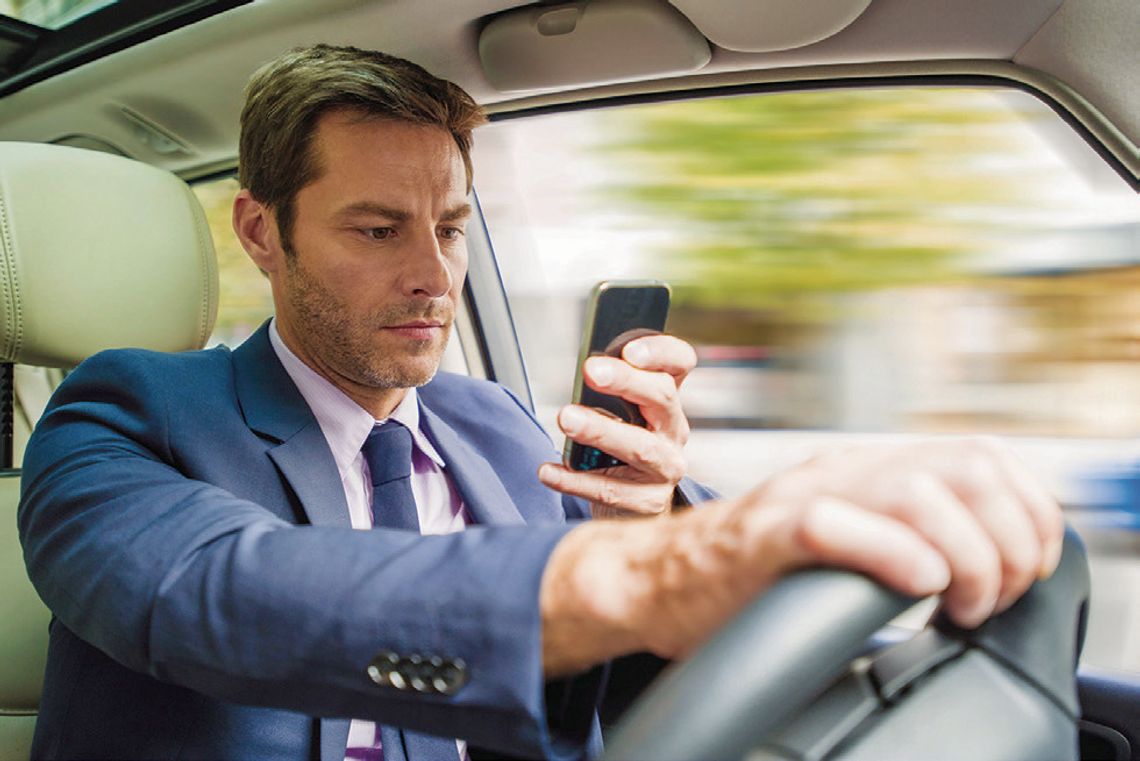
Louisiana is now ful‑ly enforcing a statewide hands‑free driving law that bans drivers from holding a cellphone while operating a vehicle and limits phone use to ap‑proved hands‑free meth‑ods. Violations can bring fines starting around $100, with higher penal‑ties in school and con‑struction zones as officials push to reduce crashes linked to distracted driv‑ing.
The hands‑free stat‑ute grew out of House Bill 519, which made Loui‑siana the 29th state to adopt a comprehensive handheld‑device ban for drivers. The law took ef‑fect in August 2025 with a warning period and moved to full ticket en‑forcement on January 1, 2026.
Legislators and safety advocates say the mea‑sure targets rising traffic fatalities, noting that more than 750 people died in Louisiana motor‑vehicle crashes in 2024.
Drivers may not hold a phone to talk, text, scroll social media, use apps, or view GPS while the vehicle is in motion, even briefly. The rule applies on public roads and covers activity at stop signs and in traf‑fic, not just on open high‑ways.
Hands‑free options remain legal, includ‑ing Bluetooth systems, built‑in infotainment platforms like Apple Car‑ Play and Android Auto, mounted phones for navi‑gation, and voice com‑mands that do not require touching the device.
As of January 1, 2026, officers may issue cita‑tions instead of warnings, with first‑offense fines around $100 and higher fines for repeat violations. Some outlets report maxi‑mum fines of up to $200 under local enforcement policies.
Penalties increase in sensitive areas: violations in school or construction zones can reach roughly $250 or more, and con‑sequences may escalate further if a crash occurs while a driver is illegally using a phone.
Law enforcement of‑ficials argue that keep‑ing phones out of driv‑ers’ hands will cut down on collisions caused by texting, calling, and re‑cording video behind the wheel. Families and com‑muters interviewed across the state frequently de‑scribe distracted driving as a daily hazard and say the law could make roads safer for children and oth‑er vulnerable travelers.
Some residents have already shifted to ear‑pieces and in‑car sys‑tems, viewing the law as a needed nudge toward safer habits, while others remain skeptical about how much it will reduce crashes but acknowledge that phones are a major distraction.