Get it growing
With the old year behind us and a new one straight ahead, it’s a good time to think about making some changes in the garden. While you’re pondering your 2026 landscape upgrades, LSU AgCenter horticulturist Jason Stagg hopes you’ll give consideration to one of his favorite plants: the sasanqua, a species of camellia.
“I don’t believe that this shrub gets enough attention,” Stagg said. “It really deserves to be recognized and planted more.”
So, what makes this plant so great? Native to southern Japan, sasanquas (Camellia sasanqua) have long been an element of gardens in the southern United States. With their year-round, glossy, green foliage, they’re useful building blocks of landscapes.
Each fall and early winter, these shrubs treat us to a dazzling display of fragrant flowers that usually are 2 to 3 inches across. Depending on the cultivar, sasanquas can start blooming as early as late October. They often peak in December and can continue pushing blooms through January, when their better-known Camellia japonica cousins begin to flower.
“These plants are great for the landscape because they are tough, look beautiful and they’re evergreen,” Stagg said. “But to me, most importantly, they provide valuable winter forage for bees and other pollinators at a time when we simply don’t have a lot available for them.”
Winter provides the ideal conditions for planting shrubs like sasanquas. If you want to add some to your landscape, you’ll find a good selection at your local garden center this time of year.
You can take your pick from the huge variety of bloom colors on the market today. Sasanquas can be found in numerous shades of white, pink and red.
Stagg is partial to a red-flowered cultivar called Yuletide. Setsugekka is a popular cultivar with white blooms. If you prefer pink flowers, try Pink Snow. Sparkling Burgundy sports darker pink to rose pink double flowers, and Leslie Ann, which features bicolored white and pink flowers, is a Louisiana Super Plant selection.
There’s a wide range of shapes and sizes to choose from, too. Some sasanqua cultivars are upright and columnlike while others have a looser, more spreading growth habit.
“Some cultivars, especially some of the older ones, can get up to 8, 10, even 12 feet tall and can be used as wonderful evergreen hedges,” Stagg said.
Looking for something shorter? Go for one of the newer dwarf cultivars, which top out at just 2 to 3 feet tall and wide.
Growing sasanquas is pretty easy. They can thrive in almost any soil type, preferring a neutral or slightly acidic pH.
“The main thing you want to remember is to provide them with good drainage,” Stagg said, adding that sasanquas are notorious for disliking “wet feet.”
Unlike shade-loving camellia japonicas, sasanquas can handle full sun. They can be planted in partially shaded locations as well.
“But you’ll get the best bloom in full sun,” Stagg said.
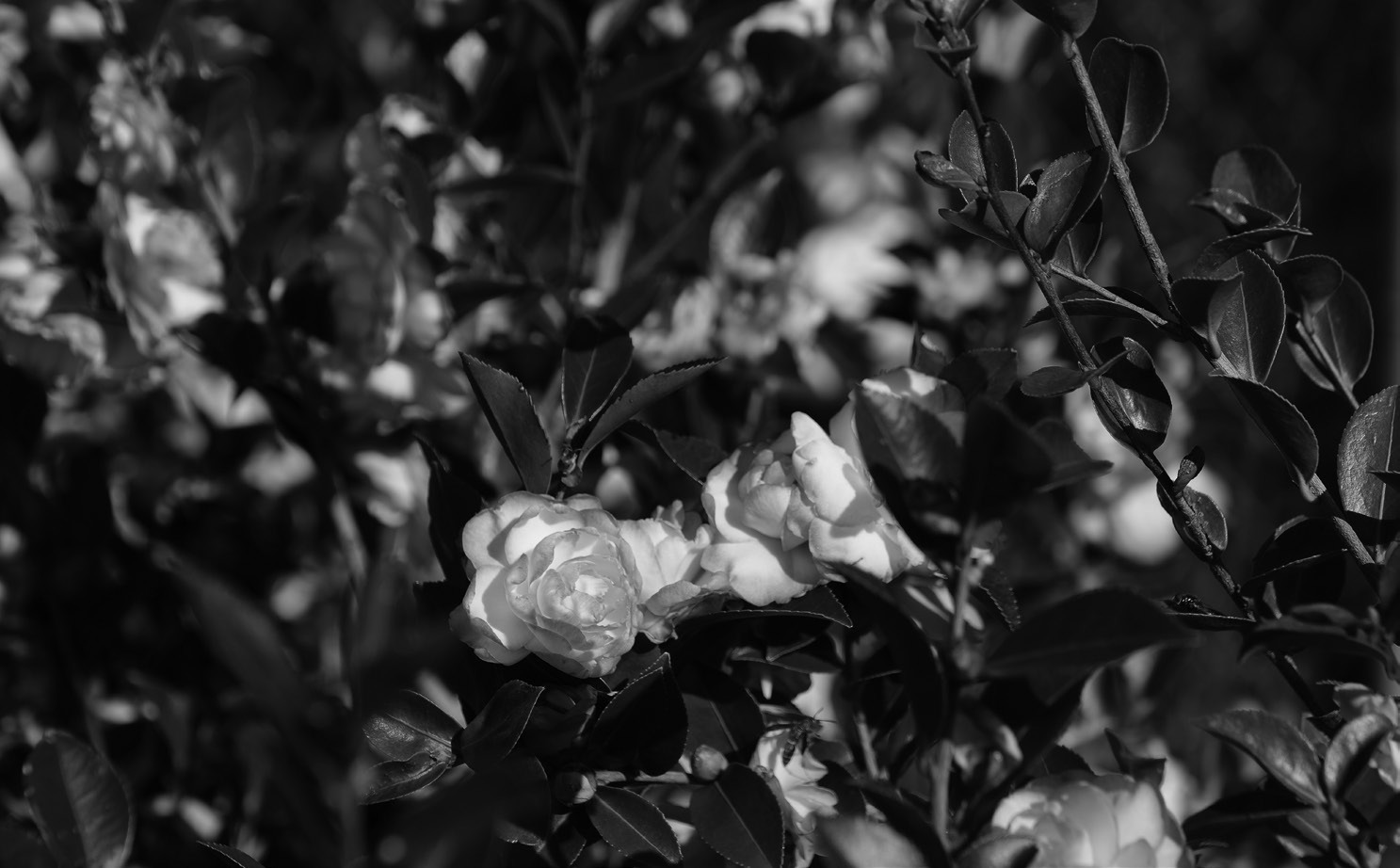
Leslie Ann, a sasanqua cultivar that features bicolored white and pink flowers, is a Louisiana Super Plant selection. (Olivia McClure/LSU AgCenter)