Go to main contentsGo to search barGo to main menu
Saturday, March 28, 2026 at 11:17 PM

Chill hours matter when growing fruit trees

Chill hours matter when growing fruit trees
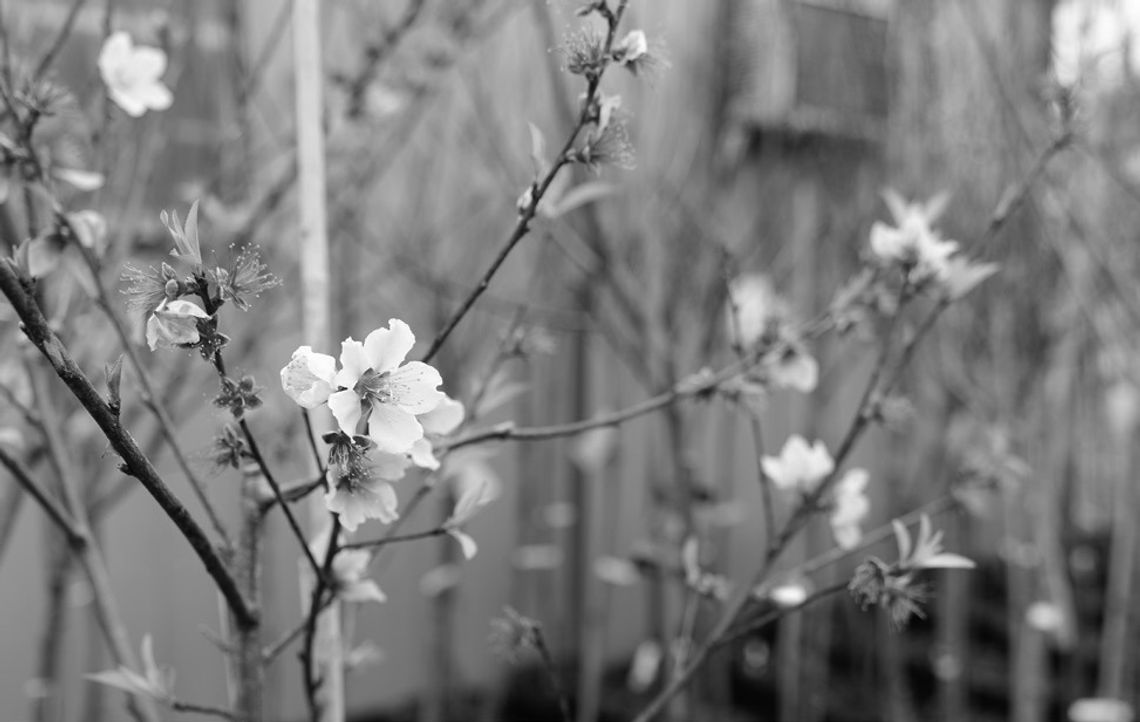
Fruit trees with low chill hour requirements, such as these La Feliciana peaches, break dormancy and begin flowering sooner. AgCenter)

Late fall and winter are prime time for planting trees in Louisiana. If you’re interested in adding some fruit trees to your landscape, you should first familiarize yourself with the concept of chilling hours.

“Chilling hours is probably the No. 1 thing you need to look at before deciding which fruit tree you want to plant in your backyard,” said Michael Polozola, LSU AgCenter fruit and nut specialist.

Chilling hours, often shortened to chill hours, refer to the number of hours a fruit tree is exposed to temperatures between 32 F and 45 F during its cool-season dormancy. They’re essential to the tree’s ability to produce flowers and fruit in the spring and summer.

Fruit tree species such as peaches, plums and apples along with blueberry shrubs all depend on hitting a certain chill hour threshold to know when it’s safe to transition out of dormancy. Chilling needs vary by species and even variety or cultivar. Some must spend several hundred hours in the cold while others need less.

“When buying trees, check the tag or ask the nursery about chill hour requirements to ensure success,” Polozola said. “Matching the right variety to your region’s chill hours is one of the simplest ways to enjoy healthy trees and abundant fruit.”

The right amount of chill keeps trees dormant until conditions are ideal for active growth. Too much or too little can lead to disappointment.

If you try to grow a tree that needs more chill hours than you can provide, it may flower late or unevenly and have poor fruit set. In some cases, the tree may not bloom or produce fruit at all. On the other hand, if you plant a low-chill variety in an area that experiences colder, longer winters, it could break dormancy too soon, leaving tender buds and leaves vulnerable to frost damage.

Louisiana can be broken into three regions based on typical chill hour accumulation patterns: — North Louisiana: 600 to 800 chill hours. Good for traditional peaches, plums and apples with high chill hour requirements.

— Central Louisiana: 400 to 600 chill hours. Mid-chill choices like rabbiteye blueberries and some peach and apple varieties work well here.

— South Louisiana: 200 to 400 chill hours. Stick with varieties labeled as low chill, which will leaf out and bloom with minimal cold exposure.

Remember that weather, especially in Louisiana, sometimes has a mind of its own. Mild winters can result in reduced flowers and fruit through no fault of your own. And unexpected late-season freezes can harm newly set flower buds, even in

(Olivia McClure/LSU high-chill varieties. For a more in-depth look at chill hours, you can read an article by Polozola at www.LSUAg-Center.com/ChillHours. And, for information on cultivars that are best suited for Louisiana, check out The Louisiana Home Orchard: Deciduous Tree Fruits, a free publication available at www.LSUAgCenter.com/ HomeOrchard.

Check plant tags for information on chill hour requirements before making a purchase. (Olivia McClure/LSU AgCenter)

Share
Rate

e-Edition
Teche News