Get it growing
Pulling your vehicle beneath the shady canopy of a tree may feel convenient. But making a habit of it can cause serious harm.
“Over time, repeatedly parking over these tree roots and all of this soil can cause an early decline or even death of a tree,” said LSU AgCenter horticulturist Jason Stagg.
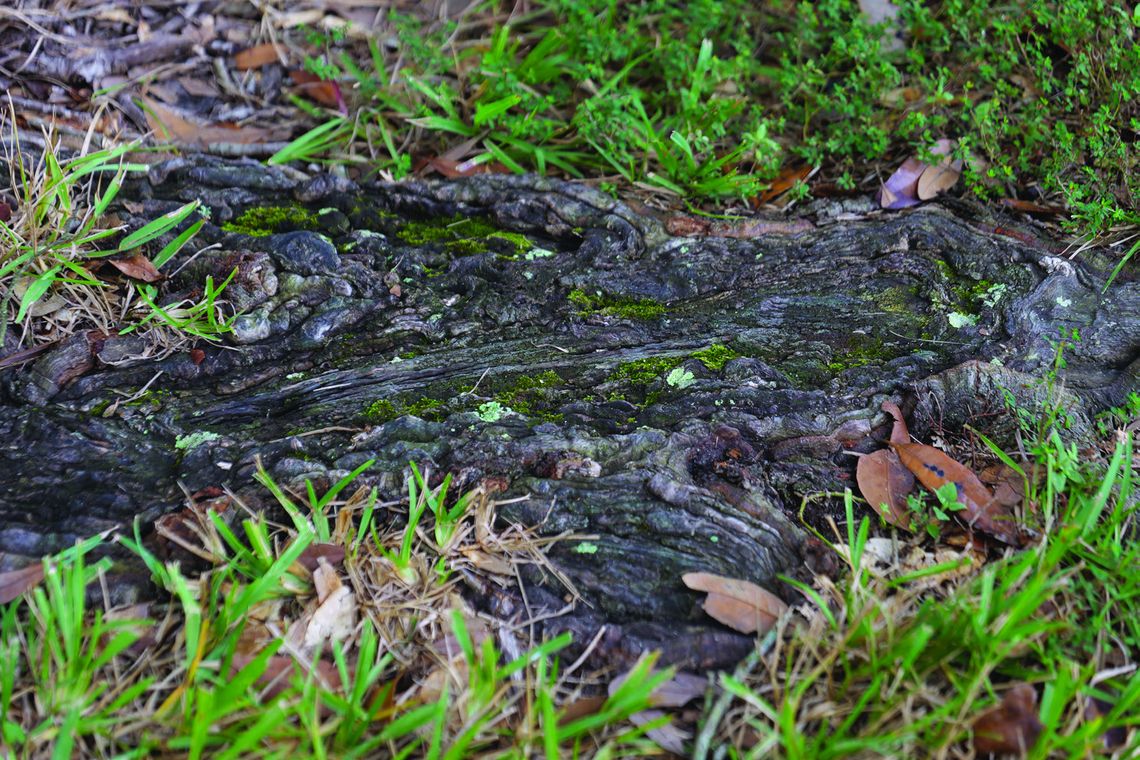
The weight of vehicles and rolling tires can strip bark off tree roots and crush the tissue inside of them. If you’ve ever seen exposed surface roots that look flattened and scarred, it’s possible they have sustained damage from vehicles. (Other common culprits for root damage are lawnmower blades and weed trimmer string.)
Compromised roots aren’t just unsightly. They have a harder time transporting water and nutrients from the soil to where they’re needed in the tree, Stagg said, and they are at higher risk of decaying.
Parking on tree roots also inflicts some lessobvious wounds. Fine roots and root hairs on the periphery of the tree’s root zone can be affected as well. These small roots do much of the heavy lifting when it comes to soaking up water to fuel the tree, Stagg said.
Because they’re so heavy, vehicles compress the soil — further endangering trees’ health.
“Soil has something in it called pore space where air and water can be stored and taken up by the tree roots,” Stagg said. “Compacting the soil reduces the pore spaces, and you can actually begin to suffocate a tree.”
So, why does any of this matter? It’s easy to assume that a few scraped roots and some compacted soil won’t hurt a big, mighty tree. But that couldn’t be further from the truth.
Damage can add up over the years, leading to canopy thinning, branch dieback and increased vulnerability to pests and diseases, Stagg said. Trees tend to decline slowly — not all at once — and problems aren’t always apparent until it’s too late.
Keeping your trees healthy is important. You don’t want to risk a weakened tree crashing down in a storm. And remember: Mature trees can’t be replaced overnight.
Large, established trees boost property values and aesthetics, and they do a great job of absorbing stormwater runoff. Lose them, and you’ll lose those benefits, too.
With holiday guests arriving at many of our homes in the coming days, you might be wondering how to deter them from parking on top of tree roots in your yard.
A quick and easy fix is to create a visual barrier with mulch. Stagg recommends mulching around trees anyway to suppress weed growth, insulate roots from extreme temperatures and retain moisture.
If you or your visitors have no choice but to park inside a tree’s root zone — often the case on small urban lots — there are some things you can do to minimize negative effects.
Try to keep tires off large surface roots, and limit how long vehicles stay parked under a tree. Avoid parking there during and after rains, as soil compacts more readily when wet.
For a longer-term solution, you can explore constructing a parking pad made of permeable pavers or a grid system. These materials, when installed properly, can help distribute the load of vehicles and reduce compaction while still allowing water and air to reach the roots.
Finally, if you have a driveway near a tree, know that roots covered by concrete or asphalt are still affected by soil compaction and limited airflow. Over time, this can stress the tree just like parking directly on roots. The best thing you can do is monitor for signs of tree decline and contact a qualified arborist for advice if problems develop.
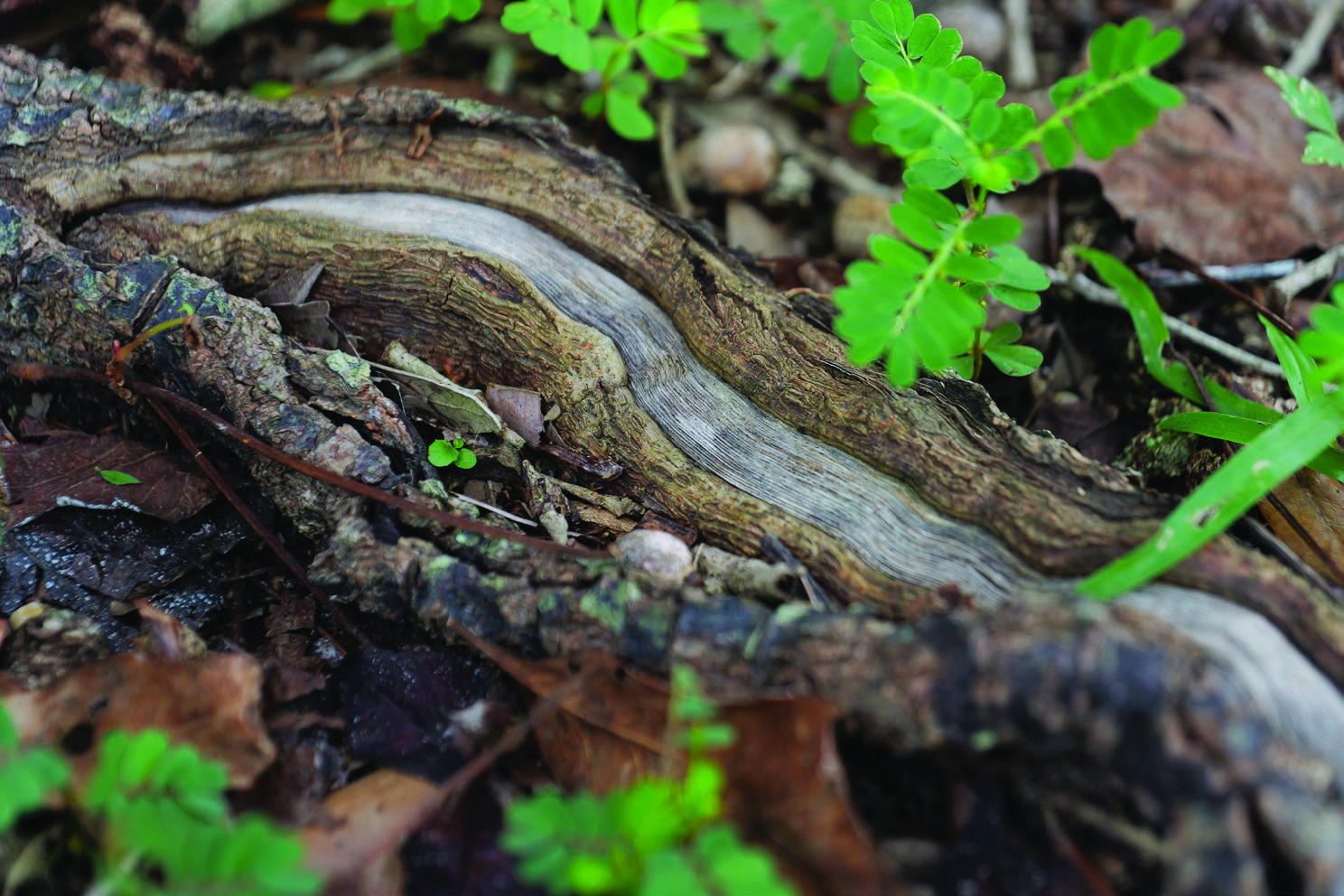
Damaged tree roots are compromised in their ability to transport water and nutrients, threatening overall tree health. (Olivia McClure/LSU AgCenter)
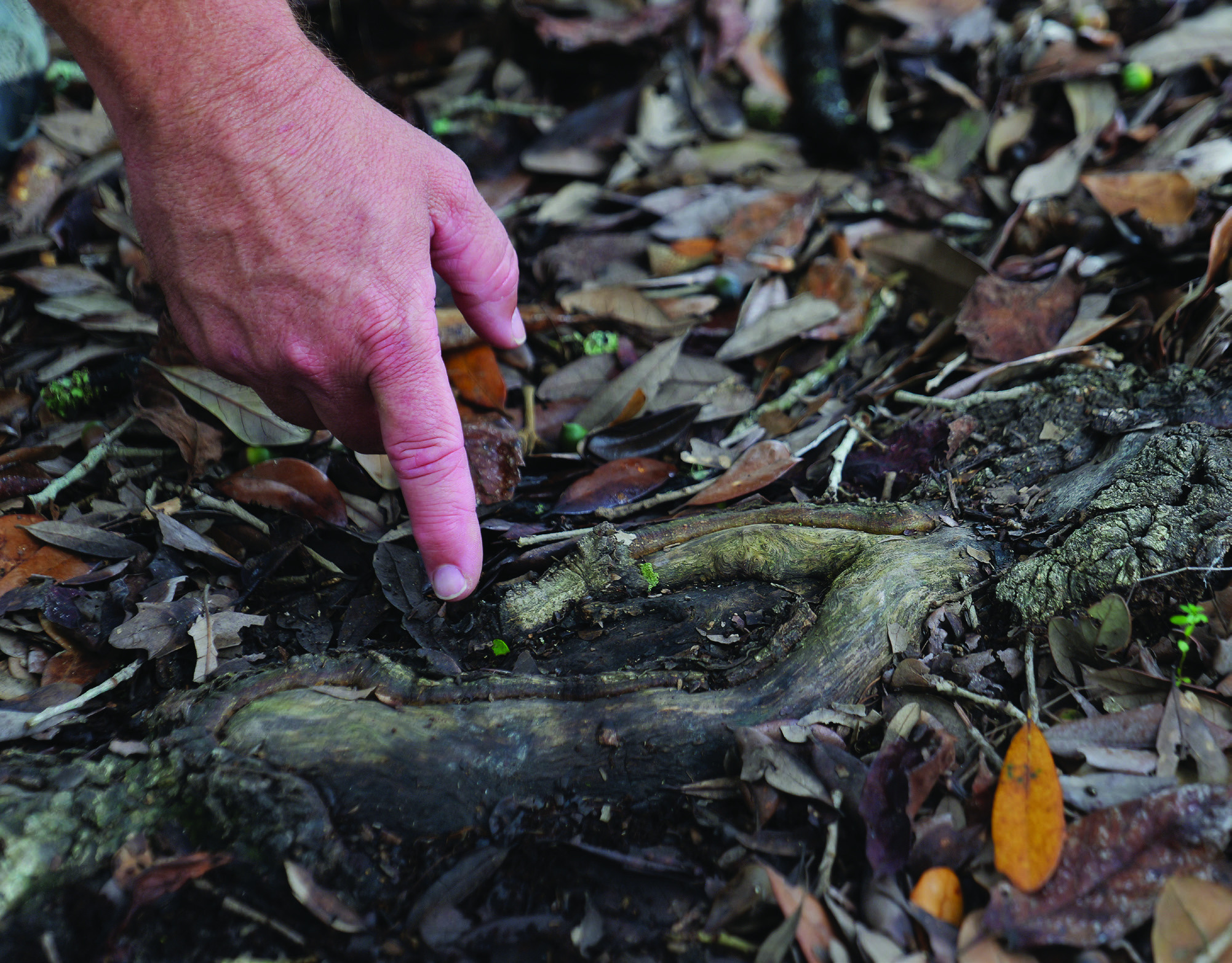
LSU AgCenter horticulturist Jason Stagg points to a tree root that has been damaged by vehicles. (Olivia McClure/LSU AgCenter)