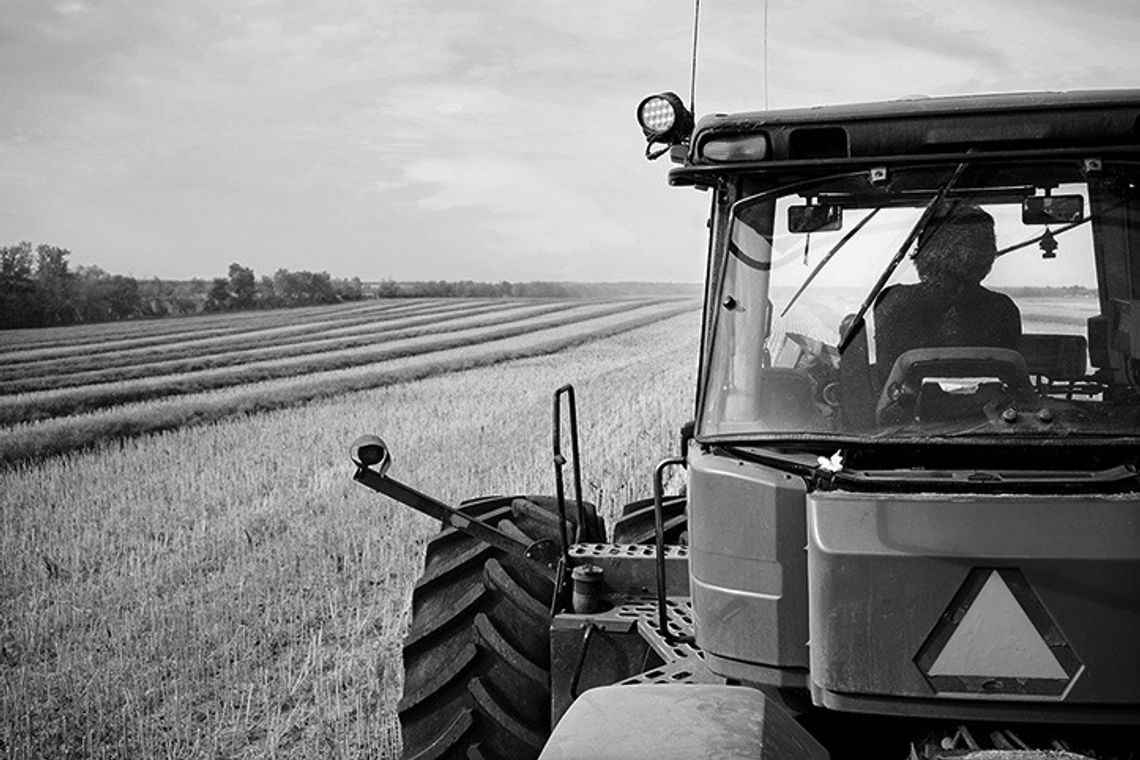
Agricultural waste poses a challenge for farmers, even if the subject does not garner a lot of attention outside of rural areas. Farms generate enormous amounts of organic waste, including crop residues, fruit peels, sawdust, and livestock manure. Farmers must decide how to get rid of agricultural waste legally and economically.
If not disposed of properly, farm waste can pollute the environment, particularly the air and waterways like rivers and streams. It is best for everyone to mitigate agricultural waste to create further hazards. Farmers may not have considered recycling some agricultural waste, but it is a way to transform this potential hazard into something that can be used on the farm itself or sold commercially. The following are some considerations for putting farm waste to good use.
Compost
Animal waste, crop residues and additional organic material can be combined to create nutrient-rich compost. Compost is utilized to improve soil structure, fertility and water retention. This helps reduce reliance on chemical fertilizers. By investing in large-scale composting tools, farmers can process hundreds or even thousands of tons of organic matter each year. While some can be used on the farm, the excess can be sold at a profit.
Biogas
Biogas production is carried out through a process known as anaerobic digestion (AD). The U.S. Environmental Protection Agency says AD involves bacteria breaking down organic matter, such as animal manure, wastewater biosolids and food wastes in the absence of oxygen. As the bacteria digest the waste, they generate biogas, which is mostly comprised of methane. Capturing biogas can reduce greenhouse gas emissions on a farm, and the biogas can be turned into a renewable energy source to power electricity, heating or transportation, according to Prime Dumpster Incorporated.
Digestate
Anaerobic digestion does not only produce biogas. Digestate is the solid and liquid effluent remaining after the process, says the EPA. Digestate can be used in many applications, including animal bedding, fertilizers and a foundation material for creating bioplastics and other bio-based products.
Recycling
Certain items used on farms cannot be turned into compost or fertilizer. However, recycling containers, tires, cardboard, rubber, and plastics offers the potential for these products to be made into new items. Western Packaging says recyclable items can be kept separate from other waste so they can have new life outside of landfills.
Seeing farm waste as an asset and not a problem can help farmers save money and resources.