Get it growing
The joy of the holiday season can feel fleeting. There’s a blur of get-togethers, cooking, shopping — and then, suddenly, it’s all over.
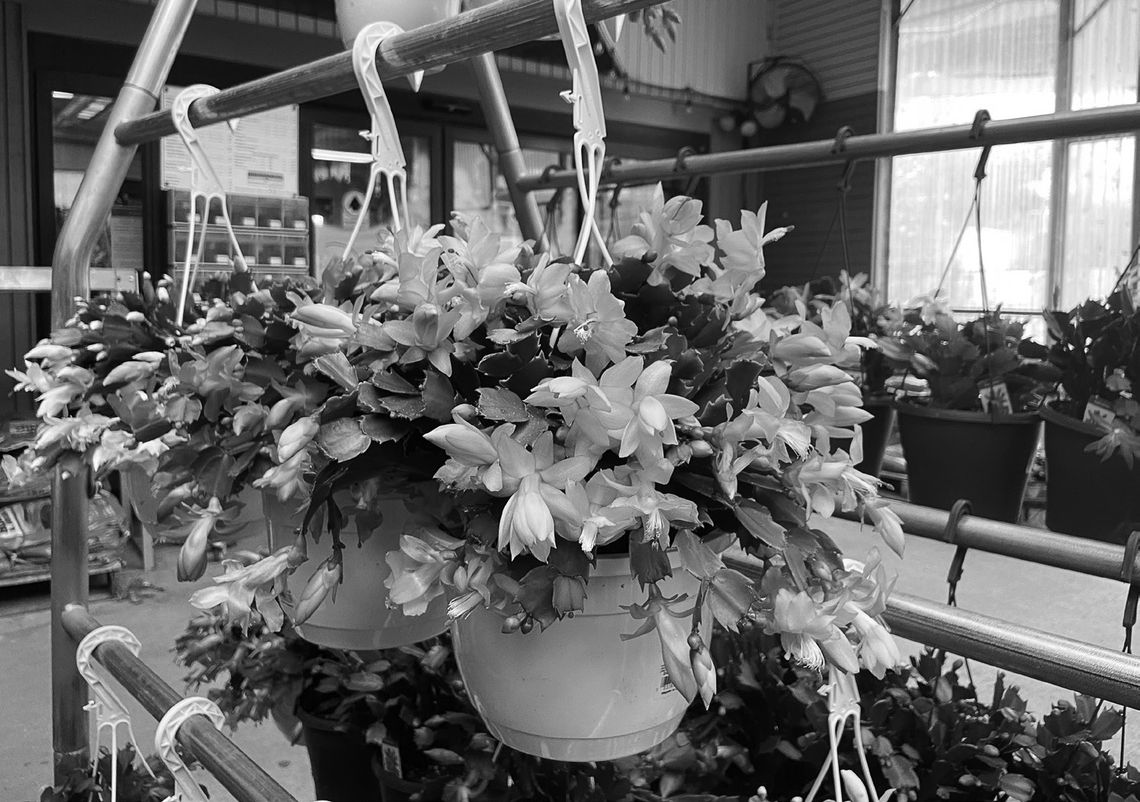
A plant that’s commonly used for decorating this time of year, however, is one of those gifts that keeps on giving. We’re talking about the holiday cactus — a plant that fits in perfectly with festive decor. But it’s so much more: It offers year-round visual appeal as either a houseplant or an outdoor specimen, has a long lifespan and is easy to propagate and share.
Garden centers are full of all sorts of unique holiday cacti cultivars right now. You can find a wide range of flower colors, from white to various pinks to red, as well as different growth habits and foliage characteristics.
There are two main kinds of holiday cacti: Christmas cactus (Schlumbergera x buckleyi), which begins flowering in December, and its earlier-blooming cousin, Thanksgiving cactus (Schlumbergera truncata). Both are native to the rainforests of South America.
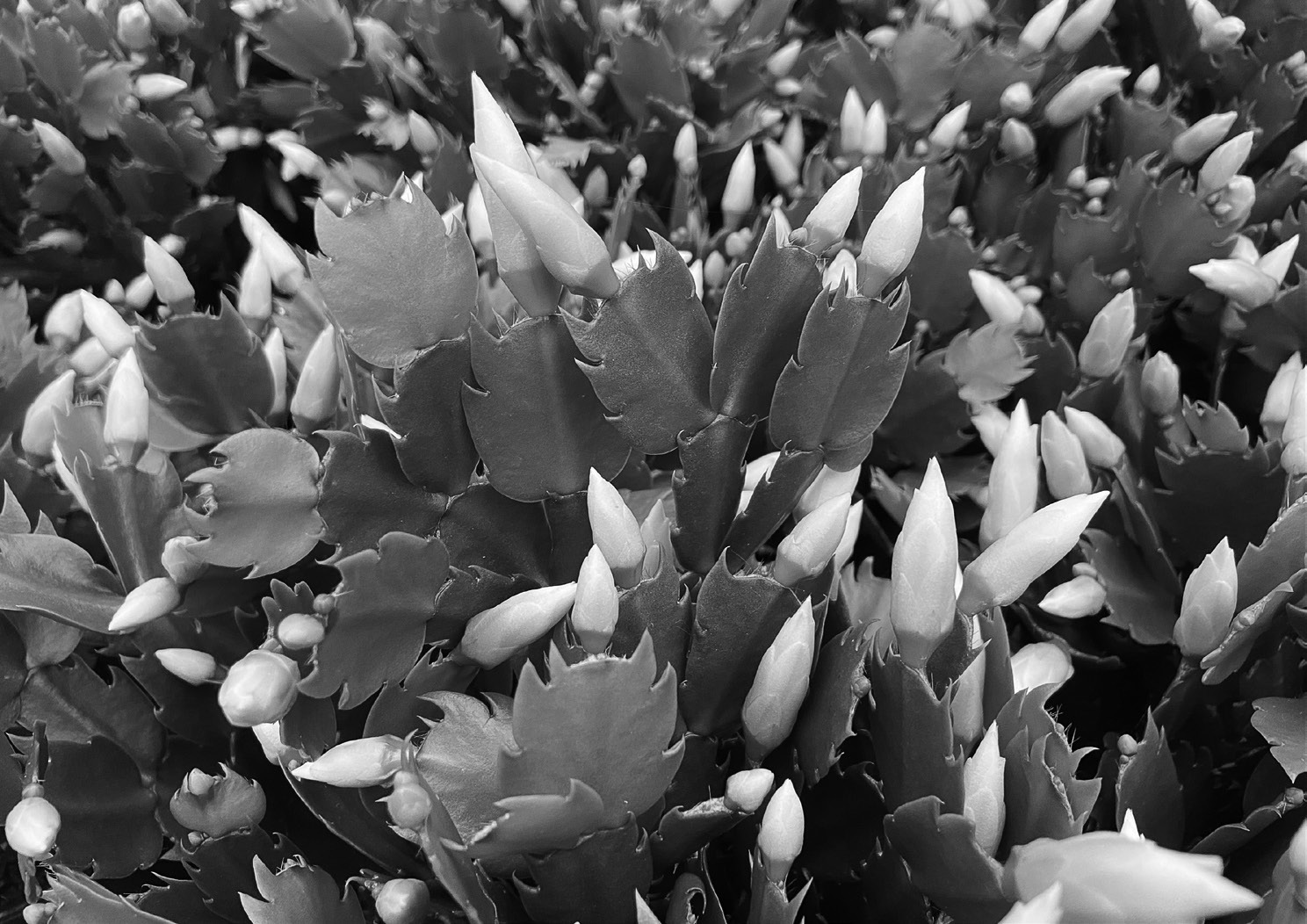
While there are features that distinguish the two — Thanksgiving cactus has a more upright growth habit, and its leaf segments have tooth-like protrusions that Christmas cactus lacks — many people use their names interchangeably or simply refer to the plants generically as holiday cacti.
Care for both plants is similar.
As succulents, holiday cacti store a significant amount of moisture in their fleshy leaves. That means it’s important to not overwater them. Let the top inch or so of potting mix dry out before you water.
Overwatering can lead to limp stems and dropped flower buds. So can too much or too little light.
Holiday cacti don’t like direct sun. Instead, place them in the filtered light of a window or in a partially shaded outdoor location, like a patio. If you use the plants for a party display in a dimly lit area of your home, be sure to return them to a sunnier space soon afterward.
Because they are tropical plants, holiday cacti are sensitive to cold temperatures. They must be protected or brought inside when a freeze is predicted.
Holiday cacti can provide many years of enjoyment if you take good care of them. Once they finish flowering, the cacti move into a phase of vegetative growth. They need regular watering and fertilization during this time, which lasts through about August.
To get your cactus to bloom again in time for next year’s holiday season, move it to a shady location outside in October (if you’ve been keeping it indoors). Holiday cacti are shortday plants, so they have to be exposed to long nights (at least 12 hours) and cool temperatures to set their flower buds. The plant will prefer to be a little drier during this time. You can bring it back into your home once you see buds forming at the branch tips.
Over the years, your cactus will probably grow quite large and become top-heavy. Planting in a short, wide pot can help keep the plant balanced.
You also can trim the cactus to downsize it as needed. Don’t throw away the stem cuttings; pass them on to a friend
(Olivia McClure/LSU AgCenter)
or use them to start new plants of your own. Just separate the individual stem segments, allow them to callus for a couple of days and plant them in well-draining potting mix.